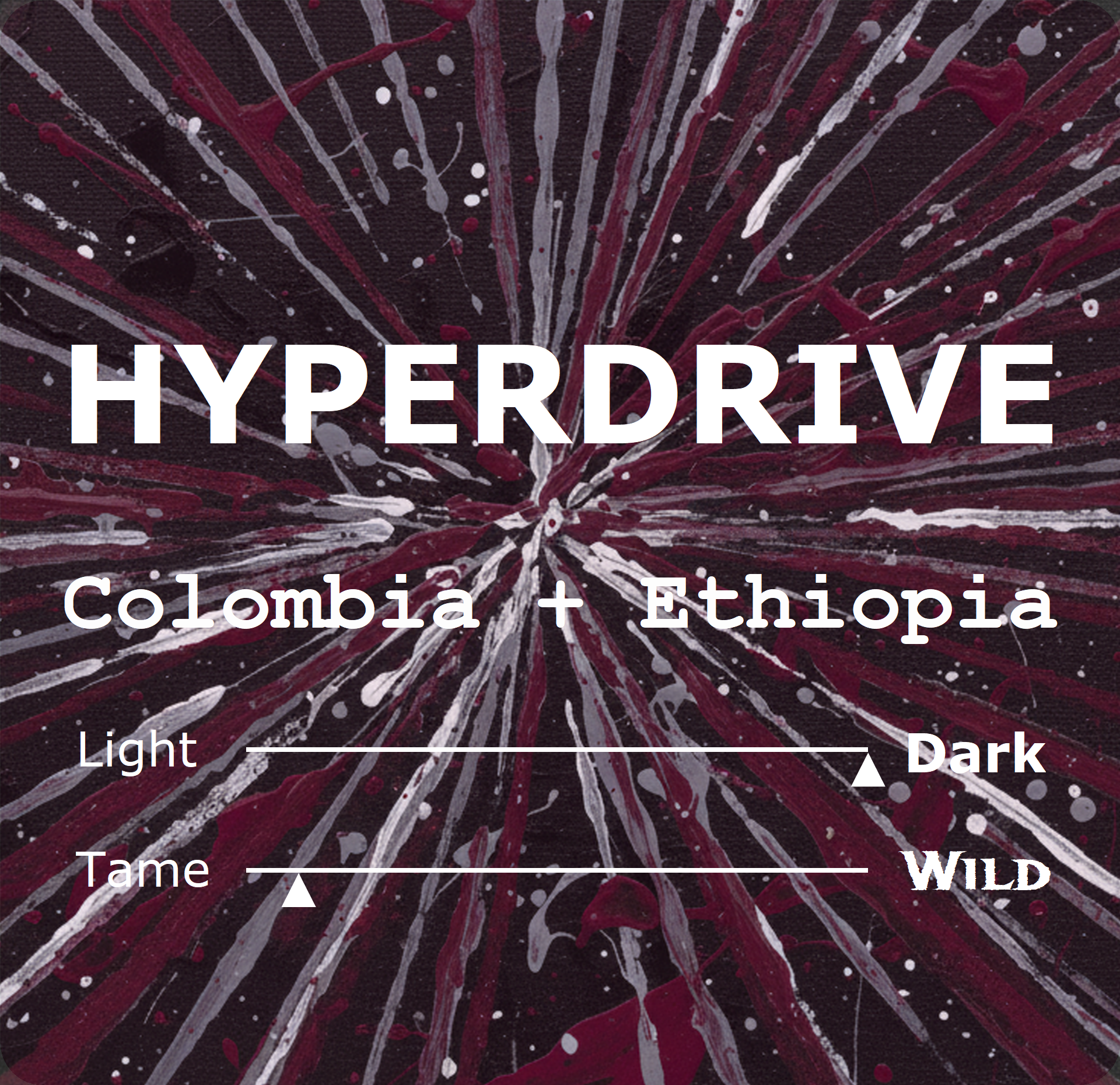
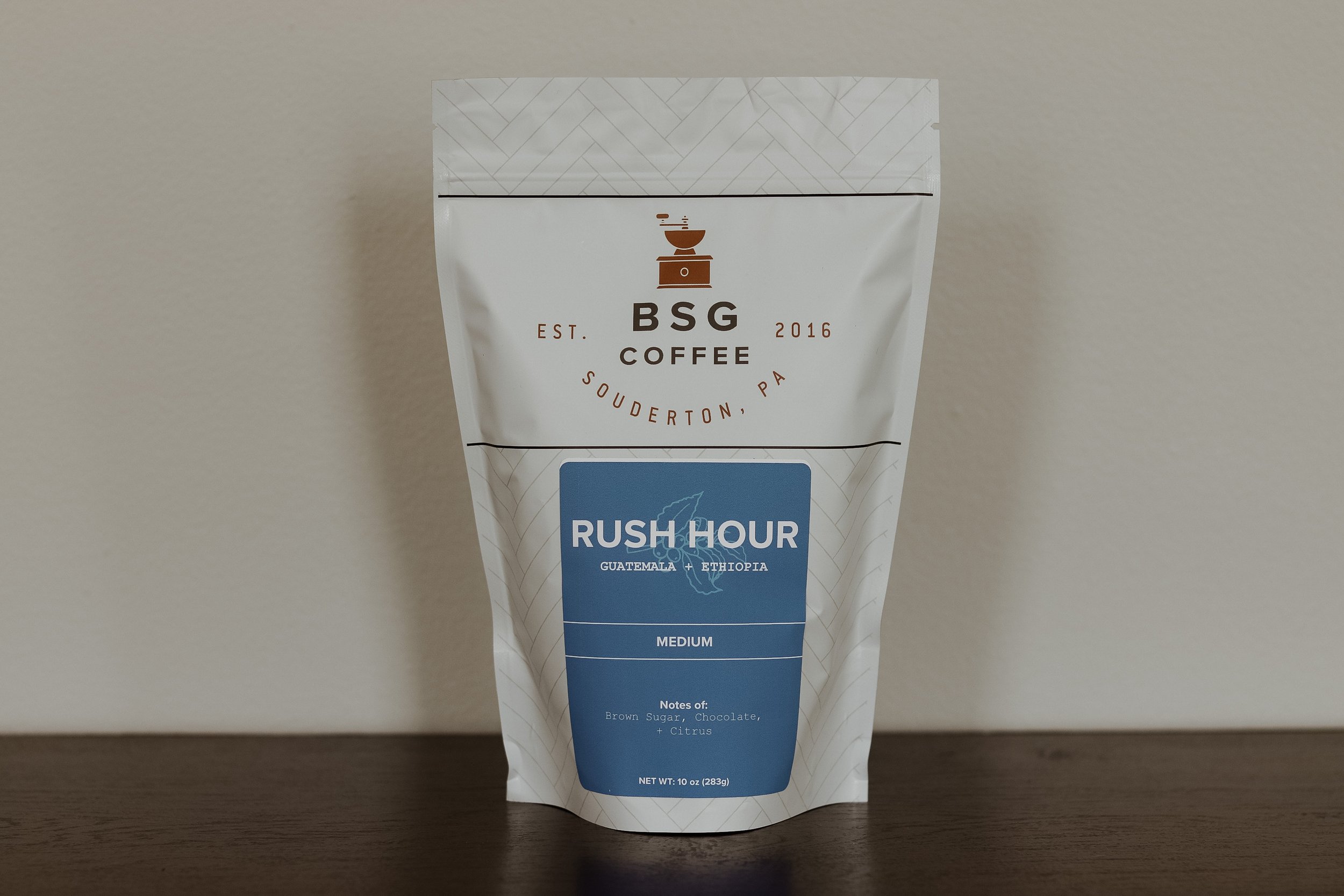
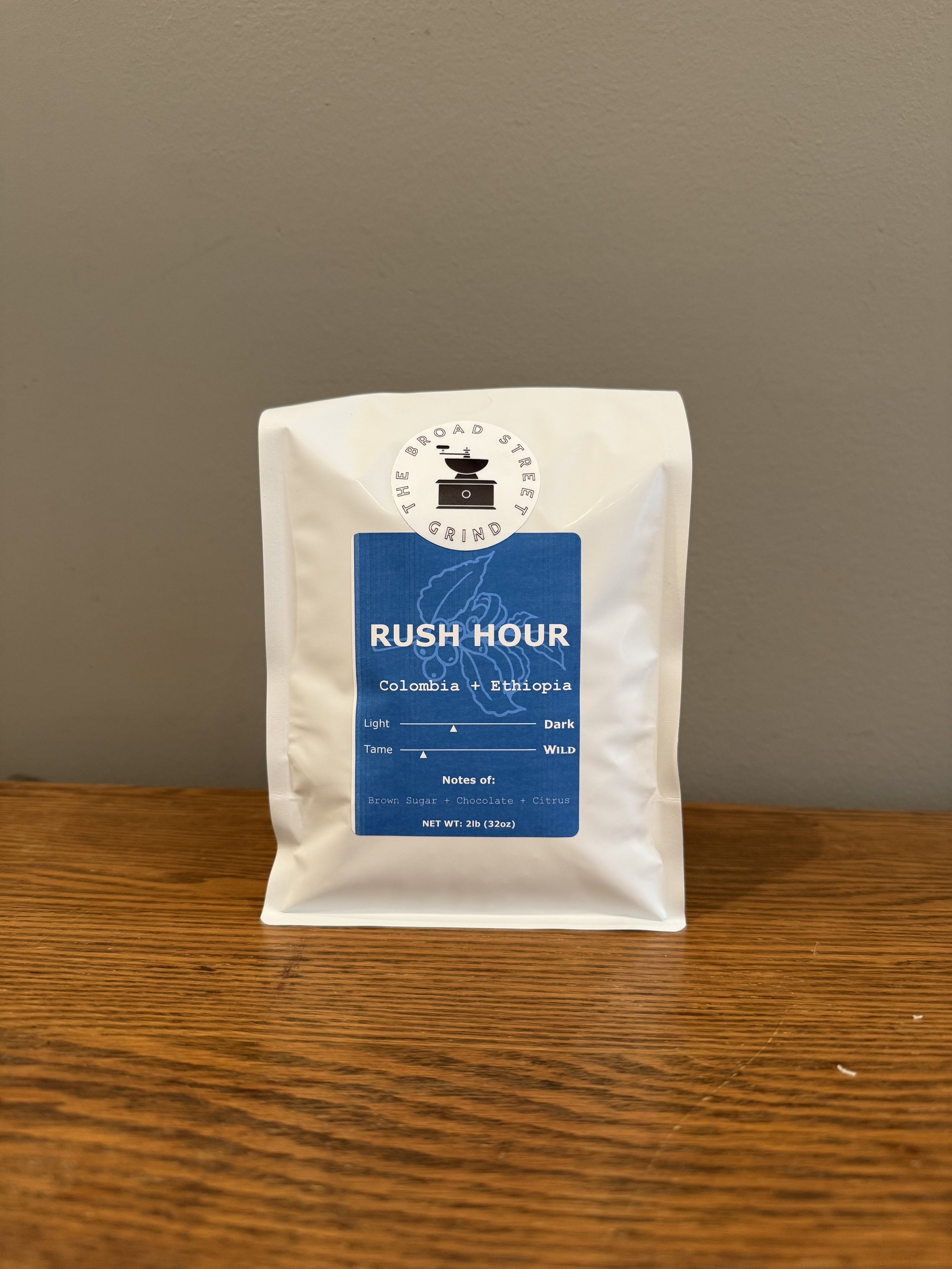
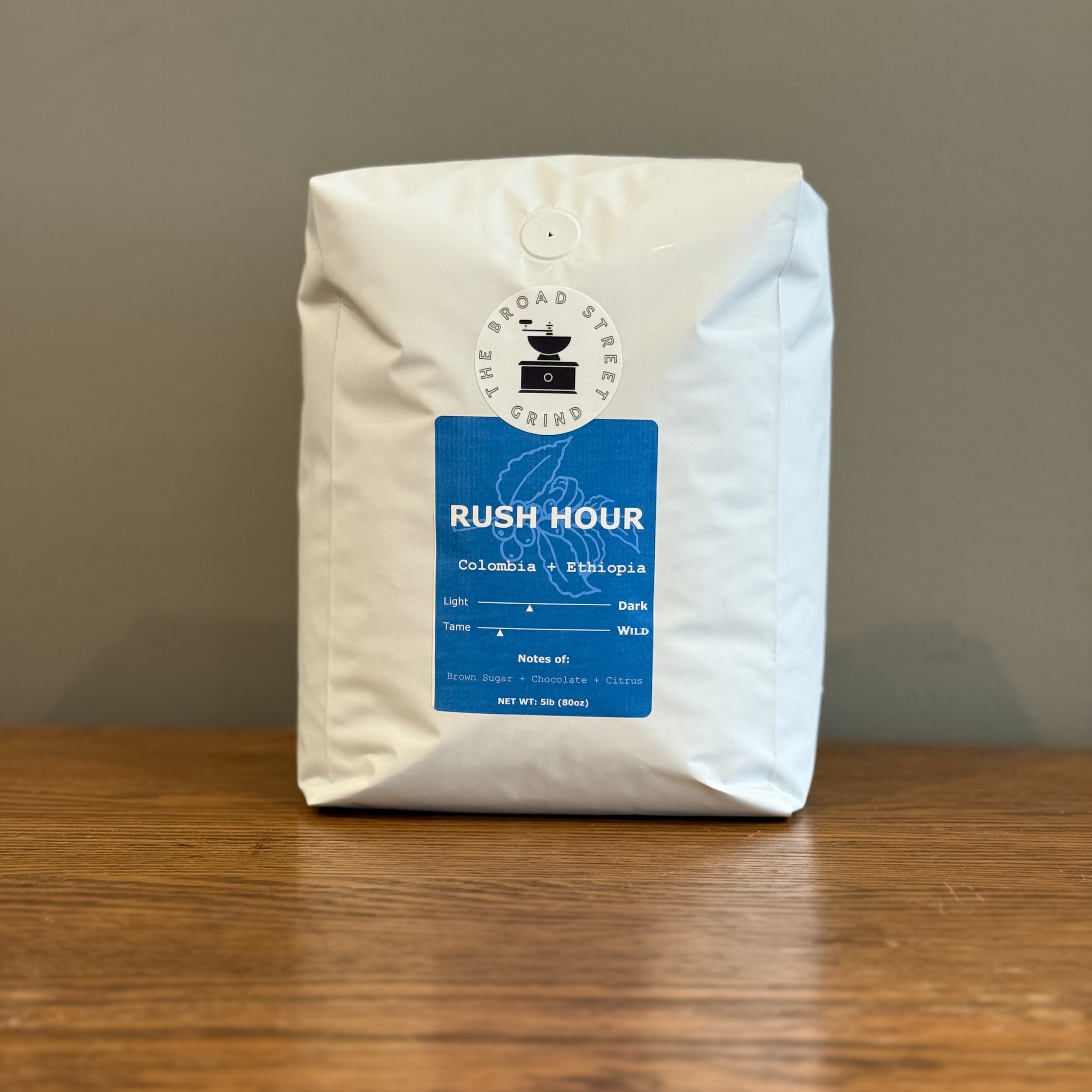
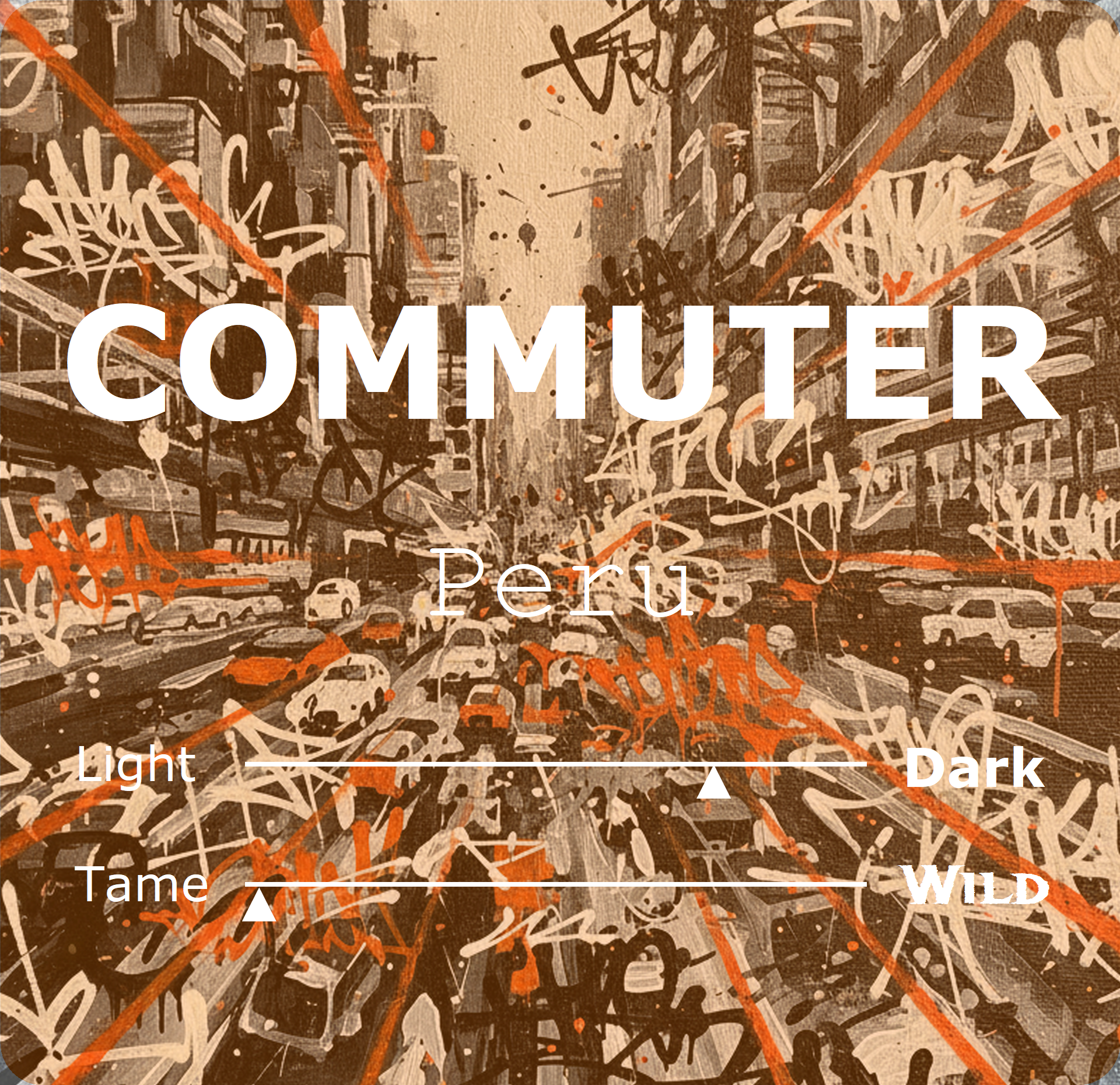
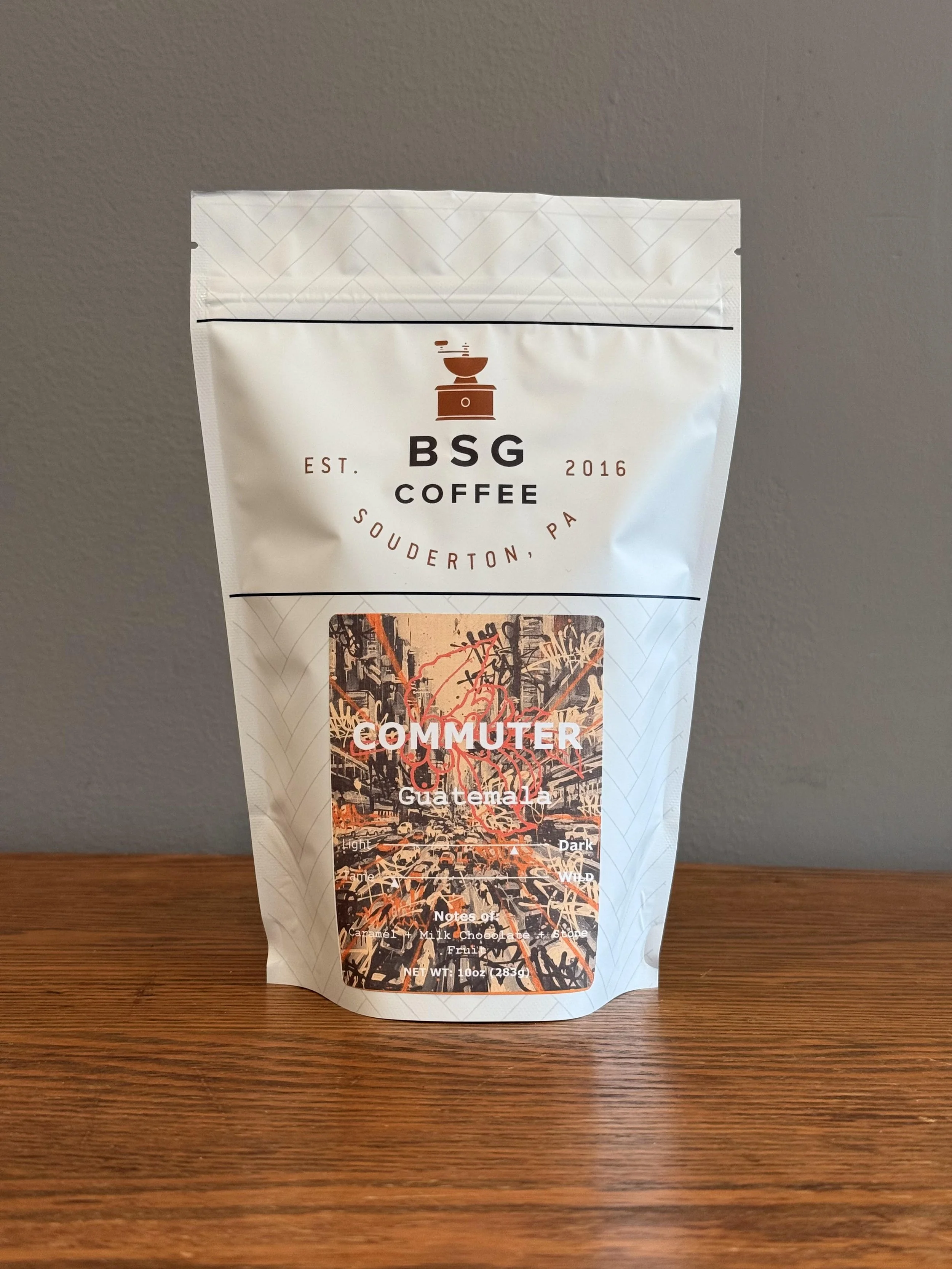
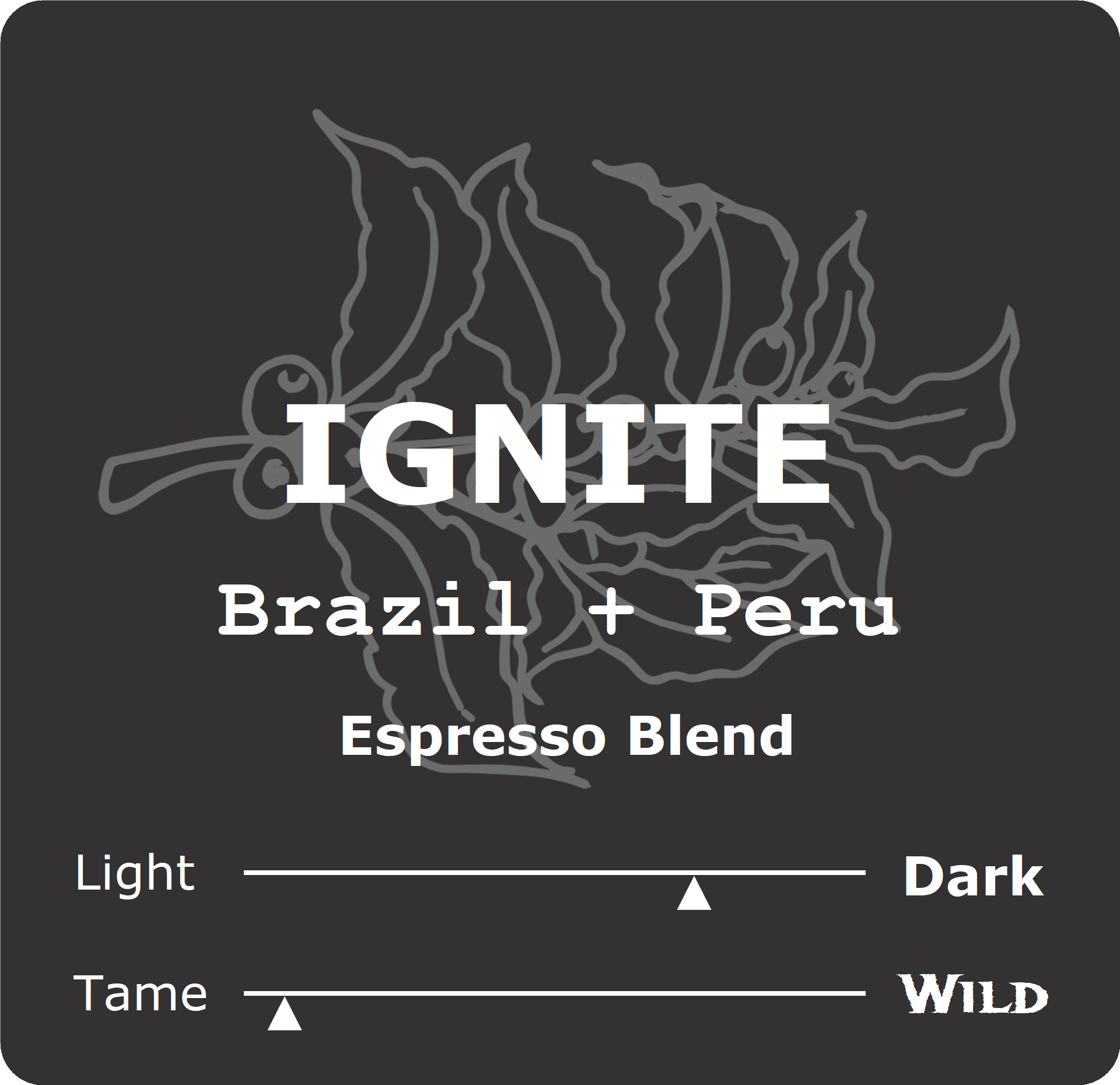
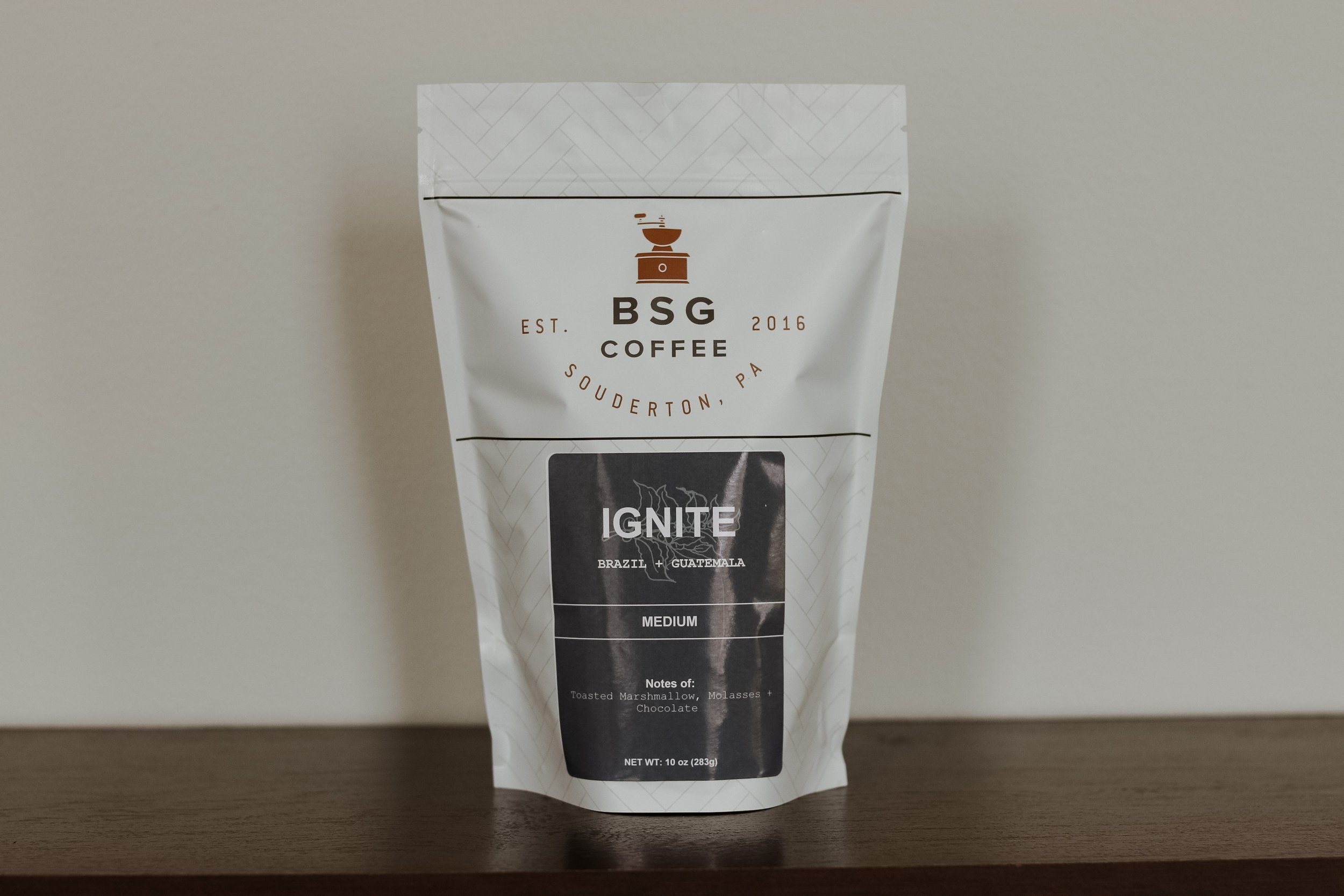
 Image 1 of 2
 Image 2 of 2
The Cerrado Region
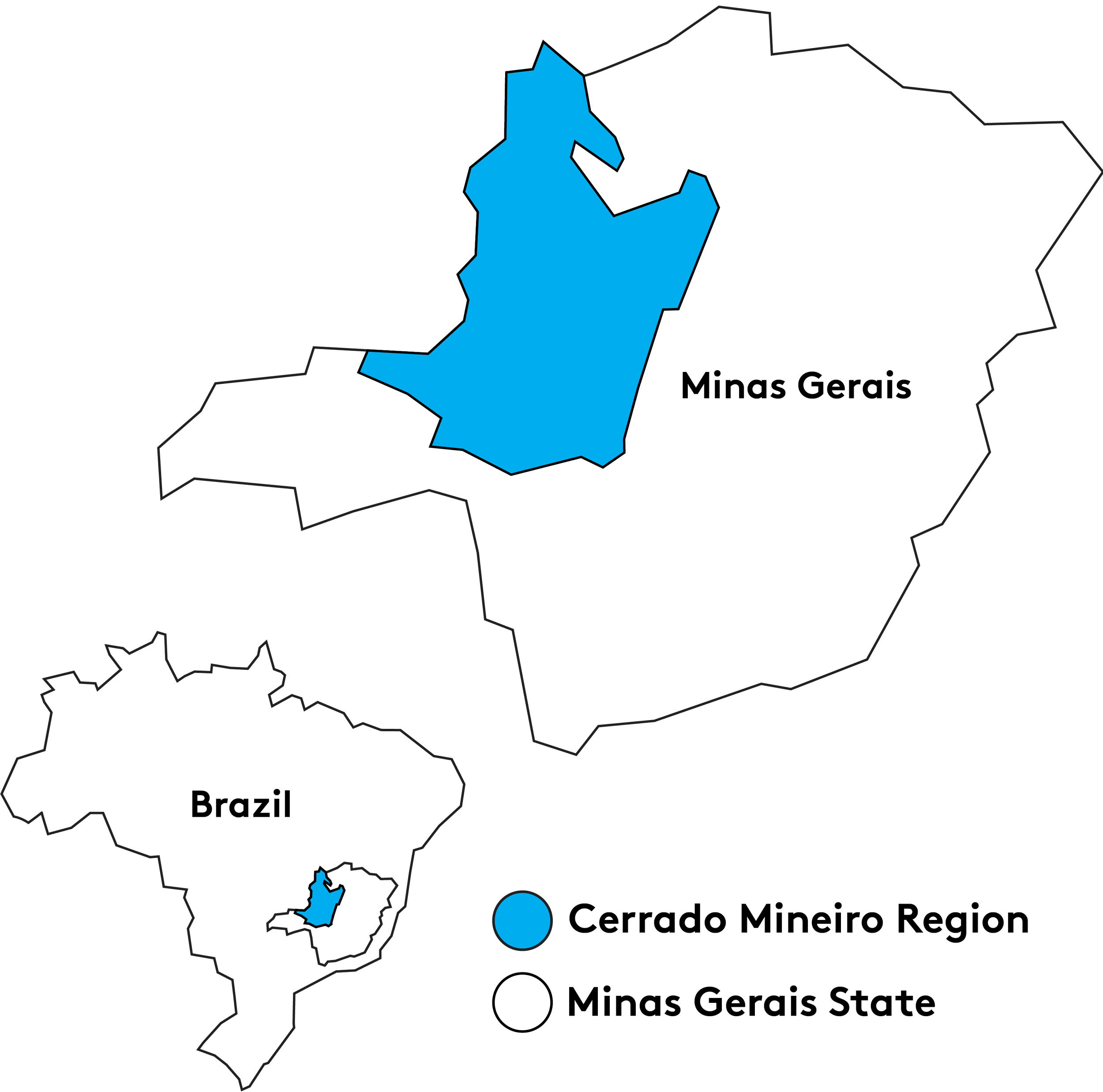
The name "Cerrado" literally translates to "closed" or "dense," referring to the vast tropical savanna ecoregion of Brazil. While the Cerrado covers 20% of the country, the Cerrado Mineiro in the state of Minas Gerais is the crown jewel for coffee.
The First D.O.: In 2013, Cerrado Mineiro became the first coffee-producing region in Brazil to receive a Designation of Origin (D.O.) status. This means coffee labeled "Cerrado" must meet strict quality standards and be grown within a specific altitude and climate.
Climate & Terroir: The region is defined by its distinct seasons: a wet, hot summer followed by a pleasantly dry winter. This dry winter is the secret weapon for coffee producers; it provides a stable environment for drying coffee cherries on the tree and on patios without the risk of rot from unexpected rain.
Plateaus and Altitude: Unlike the steep mountains of Colombia or Ethiopia, the Cerrado is characterized by high-altitude plateaus (ranging from 800 to 1,300 meters). The flat terrain allows for highly efficient, mechanized harvesting, which ensures that Brazil can provide high-quality coffee at a scale and consistency unmatched by any other origin.
Natural Process
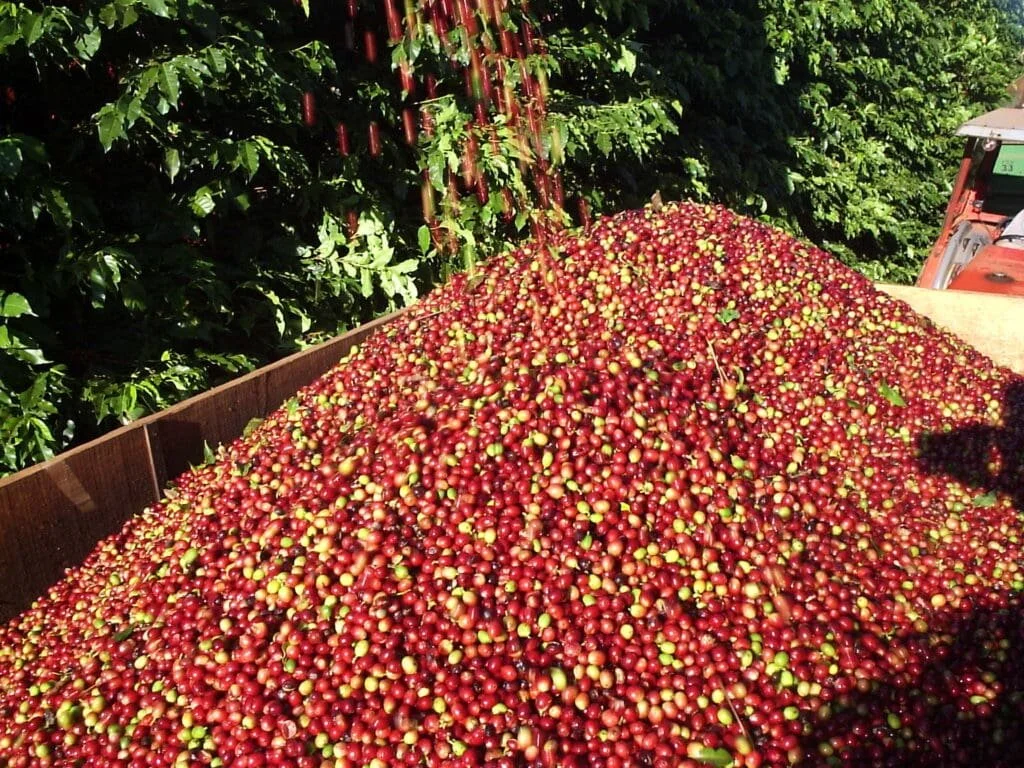
In the coffee world, "Natural" (or Dry Process) is the oldest and most traditional method of preparing coffee. In the Cerrado, it is the gold standard.
How it Works: Unlike the "Washed" process, where the fruit is stripped away immediately, Natural process coffee is dried with the fruit still intact. The whole cherries are spread out on large concrete patios or raised beds to dry in the sun.
The Flavor Transformation: As the fruit dries around the bean, a subtle fermentation occurs. The sugars from the mucilage (the sticky fruit layer) migrate into the seed.
Resulting Profile: This leads to a cup with maximum body, a creamy mouthfeel, and a deep, honey-like sweetness. While washed coffees are "clean," natural coffees are "wild"—offering notes of dried fruits, nuts, and heavy caramel.
Sustainability: The Natural process is incredibly eco-friendly as it requires virtually no water, unlike the washed process which uses thousands of gallons to "scrub" the beans.