 Image 1 of 2
 Image 2 of 2
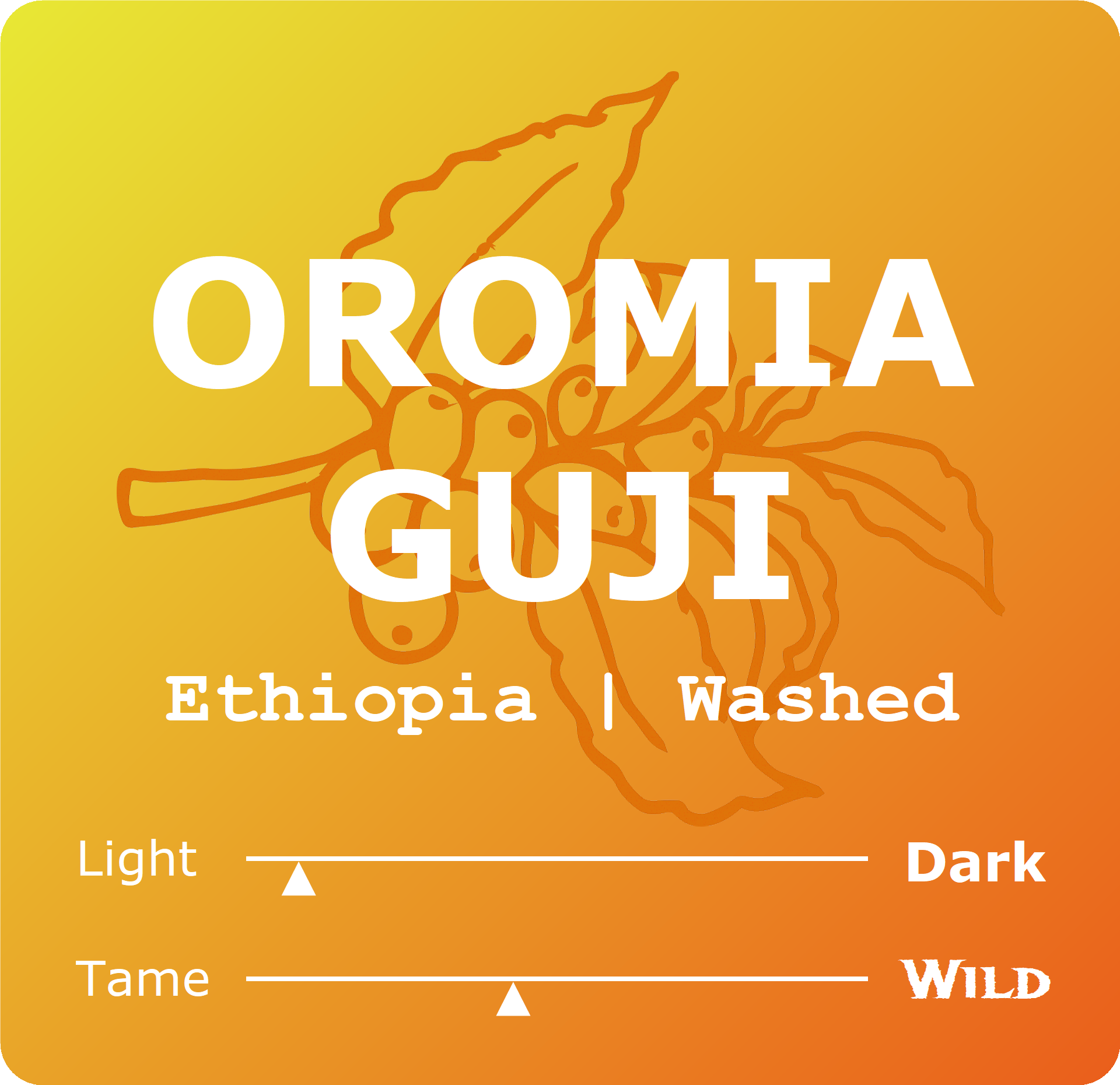
The Guji Zone
Some other terms are heirloom variety, Ethiopia is known as the birth place of coffee. Coffee grows wild in Ethiopia and farmers don’t have organized rows or fields like they do in Latin America. Heirloom just means “regional blend”. You’ll find the term Smallholder producers or similar wording. These are farms who might only have an acre or maybe a hector who blend their crop with other farms of similar size in the same region.
There are so many vocabulary words when it comes to Ethiopian coffee. Words like Guji, Yirgacheffe, Shakiso, Etc, these are all coffee growing areas in Ethiopia. Ethiopia is split into Zones or Regions, with districts inside of those zones. This lot is from the district of Shakiso in the Guji zone, which is in the Sidamo area. It would be like our shop is in Souderton, in the Montgomery county, etc. The end product from all of these places is a bit different, so as a consumer knowing which region or district you prefer is helpful.
The Washed (Wet) Process
While Ethiopia is the birthplace of the "Natural" (dry) process. This method is largely responsible for the "clean" and "bright" cup profile that coffee aficionados associate with the region.
The Steps:
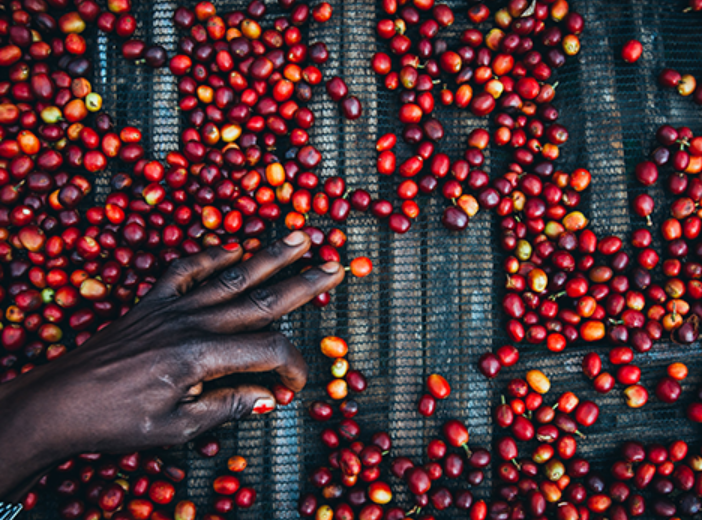
De-pulping: Freshly picked cherries are run through a machine to remove the outer skin and pulp.
Fermentation: The beans, still covered in sticky mucilage, are placed in water tanks for 24 to 48 hours. This breaks down the sugars and prepares the bean for cleaning.
Washing: The beans are agitated in channels of fresh water to remove any remaining fruit residue.
Drying: The "parchment" coffee is spread out on raised African drying beds. These beds allow for airflow above and below the beans, ensuring even drying and preventing earthy or fermented defects.
The Result: The washed process strips away the "fruitiness" of the cherry, allowing the intrinsic genetic flavor of the bean and the soil to shine. It produces a cup with high clarity, sparkling acidity, and a very clean finish.